 Global
 SGR - s n Serie înaltă cutii de viteze pl...
Vezi detalii
In the demanding world of heavy construction machinery, the tower crane planetary gear reducer serves as the critical “power converter” for the three primary mechanisms: hoisting, luffing, and slewing. Responsible for precise speed reduction, massive torque multiplication, and reliable power transmission, its operational stability directly impacts both construction site safety and overall project efficiency.
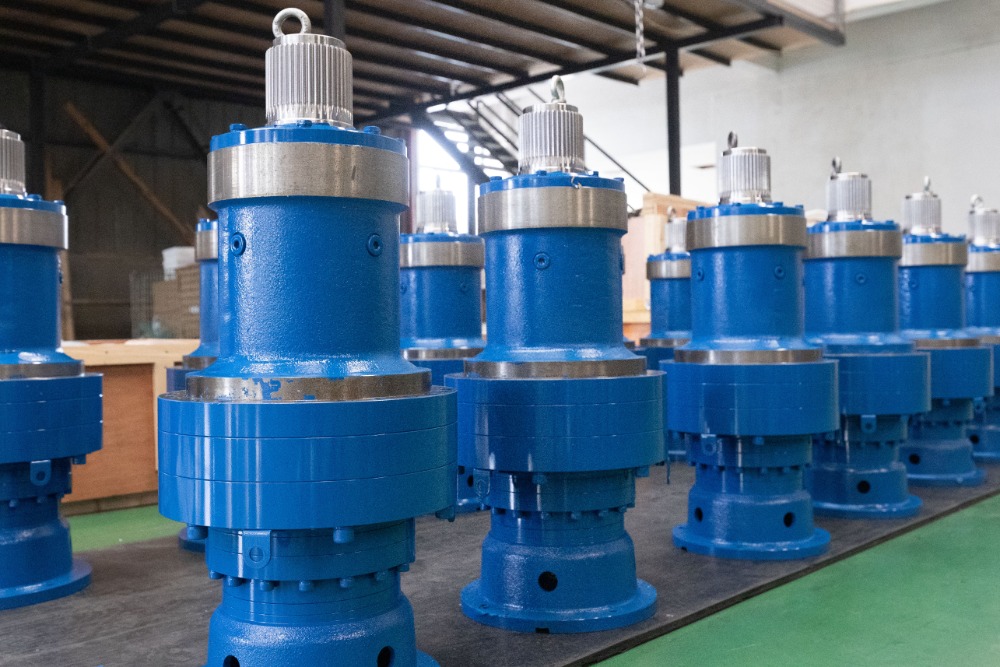
As tower crane equipment continues to grow in power and modernization, the demands placed on these components regarding energy consumption, noise, and vibration have become increasingly stringent. So, what exactly are the requirements for a planetary gear reducer for tower crane applications, and how should engineers select the optimal unit? This comprehensive guide explores the core technical requirements and provides a detailed planetary gearbox selection framework.
Tower crane working conditions are inherently complex, often involving heavy loads, frequent start-stop cycles, and high-altitude operations. Therefore, the requirements for a tower crane gearbox are extremely demanding. Based on extensive industry experience, Shanghai SGR Heavy Industry Machinery Co., Ltd. identifies four non-negotiable core requirements for these critical components.
Tower cranes generate enormous instantaneous impact loads when lifting heavy loads or encountering sudden wind gusts. A premium high torque planetary reducer must possess extremely high torsional rigidity and instantaneous overload capacity. This ensures there is no gear tooth breakage or bearing failure under extreme operational conditions, safeguarding both the equipment and the construction site. The reducer should be capable of withstanding momentary overload events exceeding 200% of rated input speed and 300% of rated torque without structural failure.
Due to long-term heavy-load operation, the core gears of the planetary gear reducer for tower crane applications must be manufactured from high-strength alloy steel, such as 20CrMnTi. These components must undergo advanced carburizing and quenching, followed by precision gear grinding. The gear surface hardness must reach HRC58-62, and the ring gear must also undergo quenching and carburizing treatment. This rigorous processing guarantees exceptional wear resistance and an extended fatigue life, which is critical for components subjected to continuous cyclic loading in demanding construction environments.
The slewing mechanism requires extremely high stability. To achieve this, the tower crane planetary gear reducer must adopt a multi-planet-wheel load distribution structure. In this design, several planet gears in each stage share the load simultaneously. This significantly improves load capacity, reduces single-tooth stress, and achieves smooth, low-noise, and low-vibration operation. The planetary configuration inherently distributes load across multiple gear meshes, making it ideally suited for the heavy-duty, precision-driven demands of tower crane slewing mechanisms.
Tower cranes operate outdoors at high altitudes, constantly facing dust, moisture, and extreme temperature alternations. The tower crane gearbox must feature a high-grade sealing design, including special sealing treatments to prevent dust ingress. Furthermore, it must be fully adaptable to various harsh conditions encountered during both summer heat and winter freezes. Advanced labyrinth seals and positive pressure ventilation systems are often employed to maintain internal cleanliness and lubricant integrity across extreme temperature ranges from -20°C to 50°C.
Selecting the correct planetary gear reducer for tower crane applications requires careful engineering analysis. SGR recommends the following considerations to ensure optimal performance and longevity during planetary gearbox selection.
The hoisting, slewing, and luffing mechanisms of tower cranes have distinctly different performance requirements. The hoisting mechanism focuses on output torque, load capacity, brake matching, and frequent start-stop capability. The slewing mechanism prioritizes low-speed stability, impact resistance, and precise positioning performance. Meanwhile, the luffing mechanism requires excellent speed regulation performance and reliable load adaptability. Understanding these distinctions is essential for matching the right high torque planetary reducer to each specific function.
Engineers must calculate the required torque based on the tower crane’s maximum lifting capacity, working radius, mechanism operating speed, and actual load conditions. Crucially, the selection must also account for starting, braking, frequent start-stop cycles, and instantaneous impact conditions to ensure the high torque planetary reducer is adequately sized. A safety factor of at least 1.5 to 2.0 is typically applied for standard conditions, while tower crane applications with periodic shock loading and frequent braking may require safety factors exceeding 3.0.
Different mechanisms require different gearing strategies. The hoisting mechanism typically requires a large reduction ratio to achieve low-speed, high-torque output, while the slewing mechanism needs to ensure sufficient torque while achieving smooth, controllable slewing speed. It is recommended to determine the appropriate reduction ratio based on the motor’s rated speed and the equipment’s required output speed. For example, slewing reducers typically operate within a reduction ratio range of 63 to 195, depending on the specific application requirements.
When finalizing your planetary gearbox selection, confirm all physical and mechanical interfaces. This includes verifying motor power and input speed, input/output shaft dimensions, flange and mounting dimensions, and the specific reducer mounting method. Additionally, ensure seamless compatibility with the output torque, reduction ratio, brake, and other necessary accessories. Proper interface matching prevents installation eccentricity that could lead to premature bearing wear and abnormal vibration.
When sourcing a tower crane planetary gear reducer, partnering with an experienced manufacturer is essential. Shanghai SGR Heavy Industry Machinery Co., Ltd. brings over 15 years of expertise to the table.
Backed by ISO 9001 certification, DNV accreditation since 1996, and Russian Maritime Register of Shipping standards, SGR operates a 15,000 sqm factory supported by an R&D team of PhDs and senior engineers.
SGR offers a comprehensive range of planetary gearboxes, including coaxial and right-angle configurations, with options for high torque, low backlash, and versatile mounting positions (M1-M6). Their products are engineered for smooth operation and low noise, making them suitable for a wide range of industrial and mechanical applications. SGR gearboxes are already deployed in cranes and construction cranes, trenchless horizontal directional drilling, palm oil equipment, and numerous other heavy-duty applications worldwide.
Whether for standard construction cranes or specialized applications, SGR provides custom solutions tailored to unique operational requirements. Their modular design approach allows for flexible configuration options, while their strict quality control procedures ensure consistent product reliability.
The tower crane planetary gear reducer is the heart of crane performance, dictating safety, precision, and efficiency. By understanding the core requirements for impact resistance, material quality, load distribution, and environmental adaptability, and by following a rigorous planetary gearbox selection process, you can ensure your equipment operates at peak performance.
Ready to upgrade your crane’s drivetrain or source a reliable planetary gear reducer for tower crane applications? Contact the expert engineering team at Shanghai SGR Heavy Industry Machinery Co., Ltd. today for customized solutions and professional consultation.(Author, SGR, Angie Zhang)
WhatsApp: 86 188 1807 0282
SGR - s n Serie înaltă cutii de viteze pl...
Vezi detalii
Informații despre produs: Seria MNC3E400 ...
Vezi detalii
Distanța centrală: 100 ~ 710 mm Raport de viteză: I ≥ 10. Modularizarea proiectării, seria...
Vezi detalii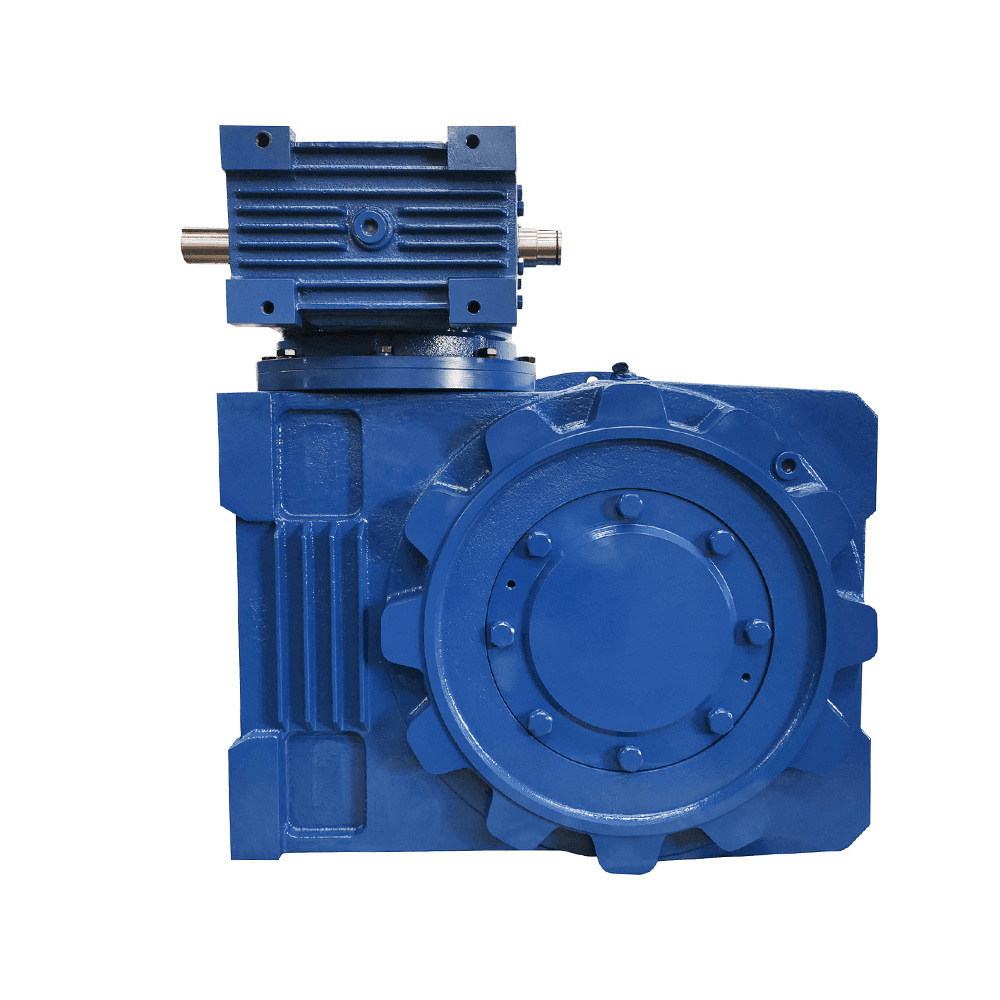
Distanța centrală: 100 ~ 710 mm Raport de viteză: I ≥ 10. Modularizarea proiectării, seria...
Vezi detalii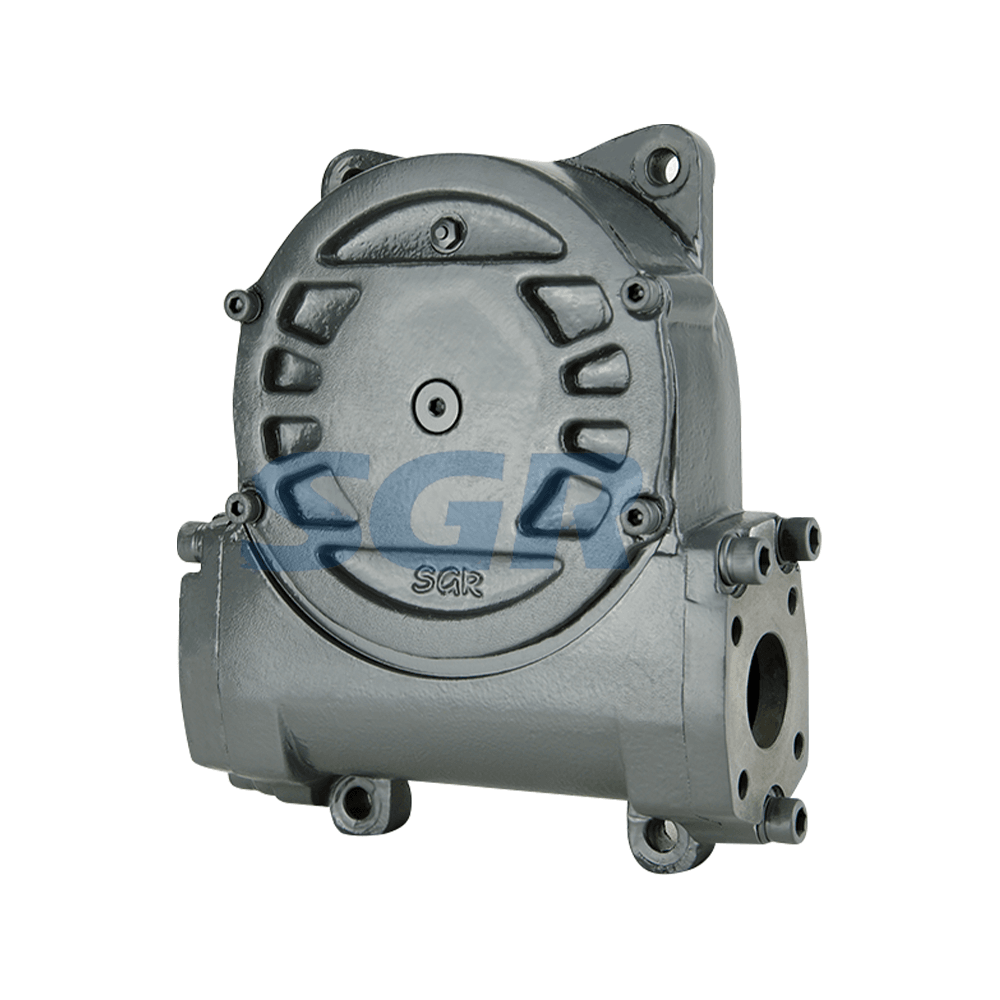
Se pot selecta diferite raporturi de viteză, interfața motorului hidraulic standard, dinții arbor...
Vezi detalii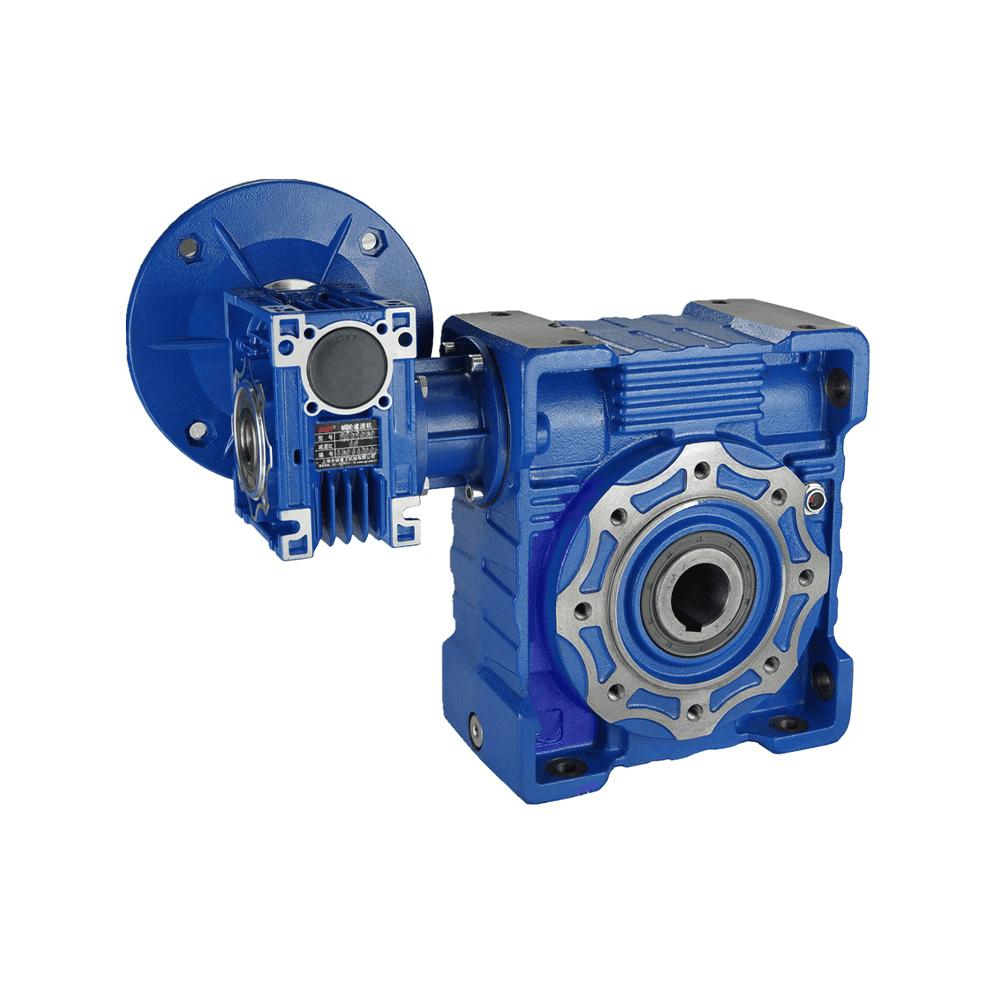
Cutia de viteze este proiectată cu standardizare și etanșare bună, permițându-i să se adapteze la...
Vezi detalii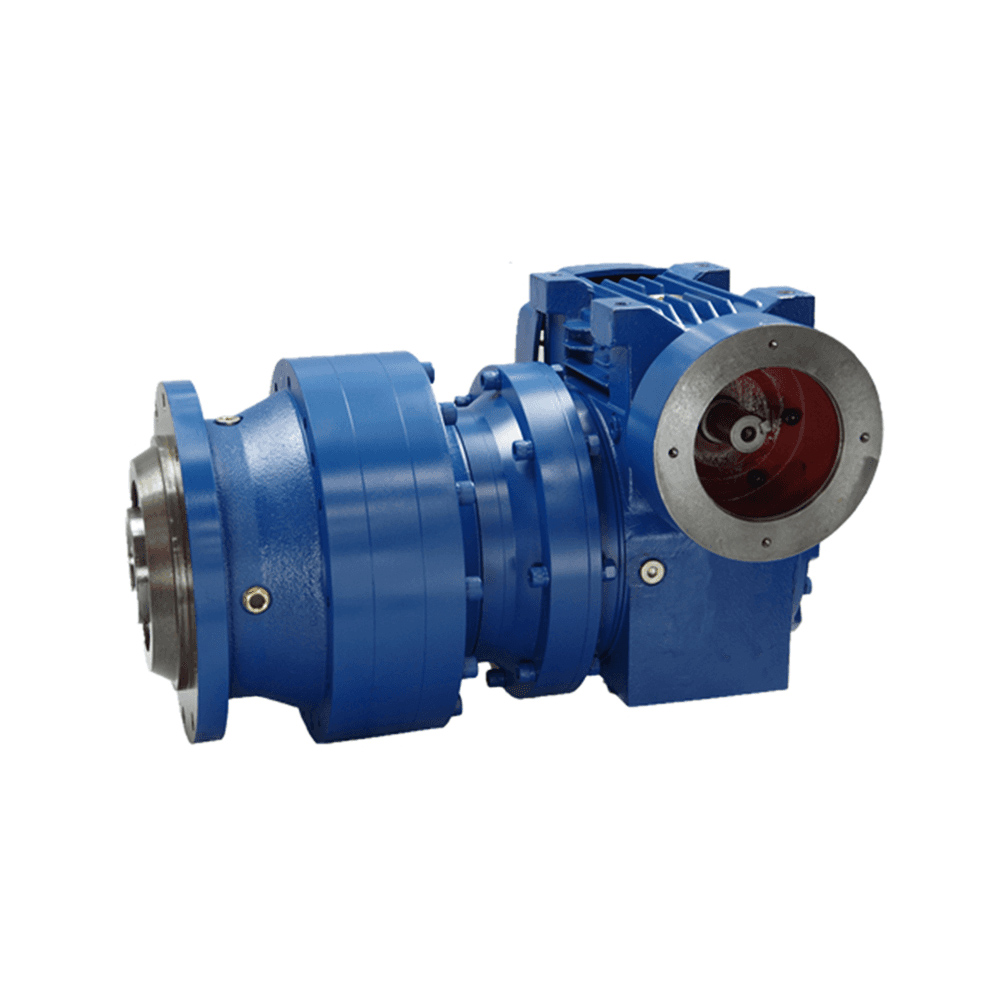
Combinând eficiența ridicată a transmisiei de viteză planetară cu capacitatea de auto-blocare a u...
Vezi detalii
SGR este un producător de cutii de viteze din industrie Certificat ISO 9001, DNV, în DNV, din 1996. Furnizăm diferiți reducători de viteze la mărci din întreaga lume.

